
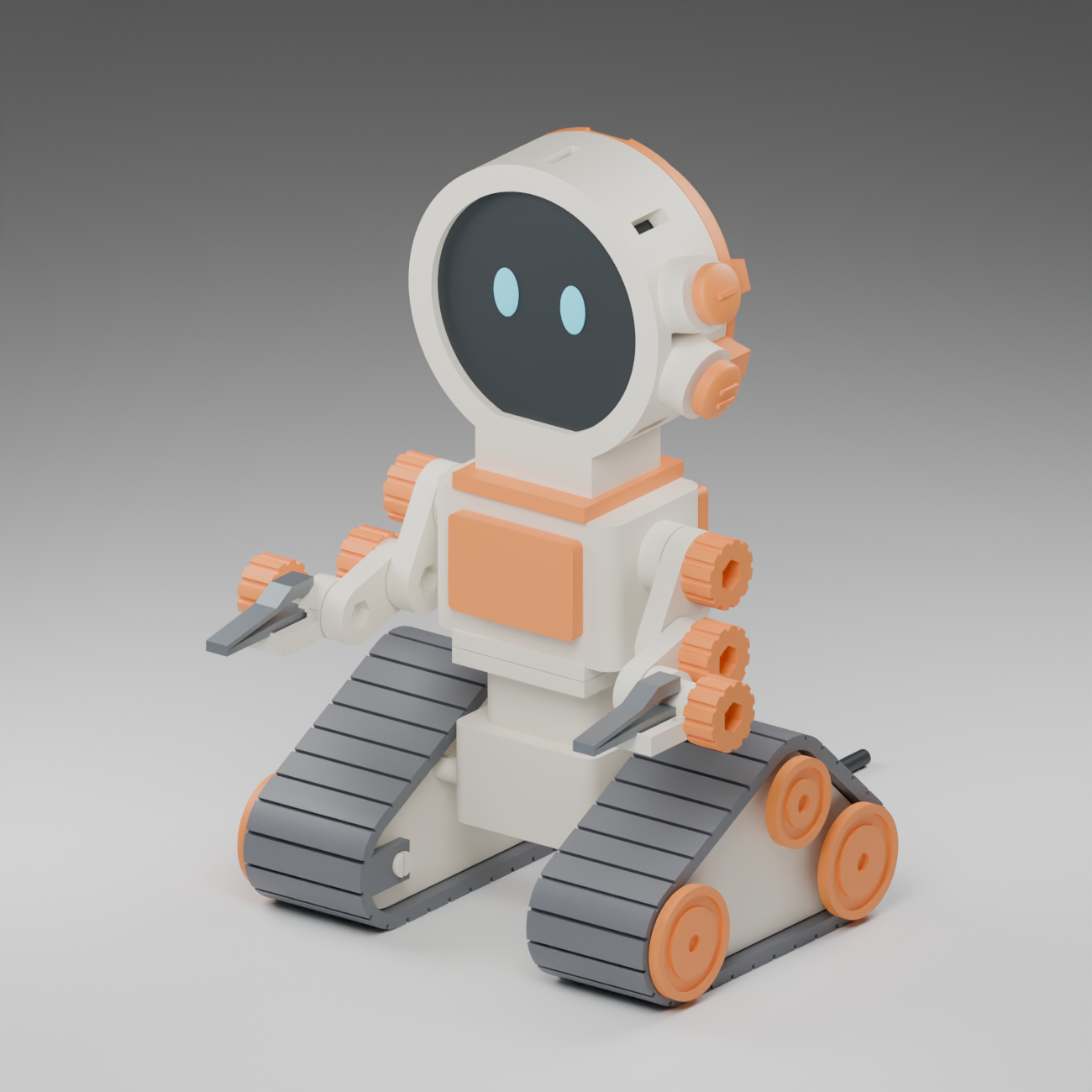
Engineering with love
Building a small robot for three creative kids, and a gift of curiosity, engineering, and love.
The work blog
Notes on AI engineering, creative tools, and accessibility: what I built, what worked, and what I’d change.
New here?
Pick a story about what I build, why I build it, or something you can try.
The newsletter
I write about building AI systems in public—what worked, what broke, and what I’d do differently.
Building a small robot for three creative kids, and a gift of curiosity, engineering, and love.
How connecting Bunch's OAuth-protected MCP server to ChatGPT failed nine different ways, what each failure showed about the client, and the security boundary that stayed fixed throughout.
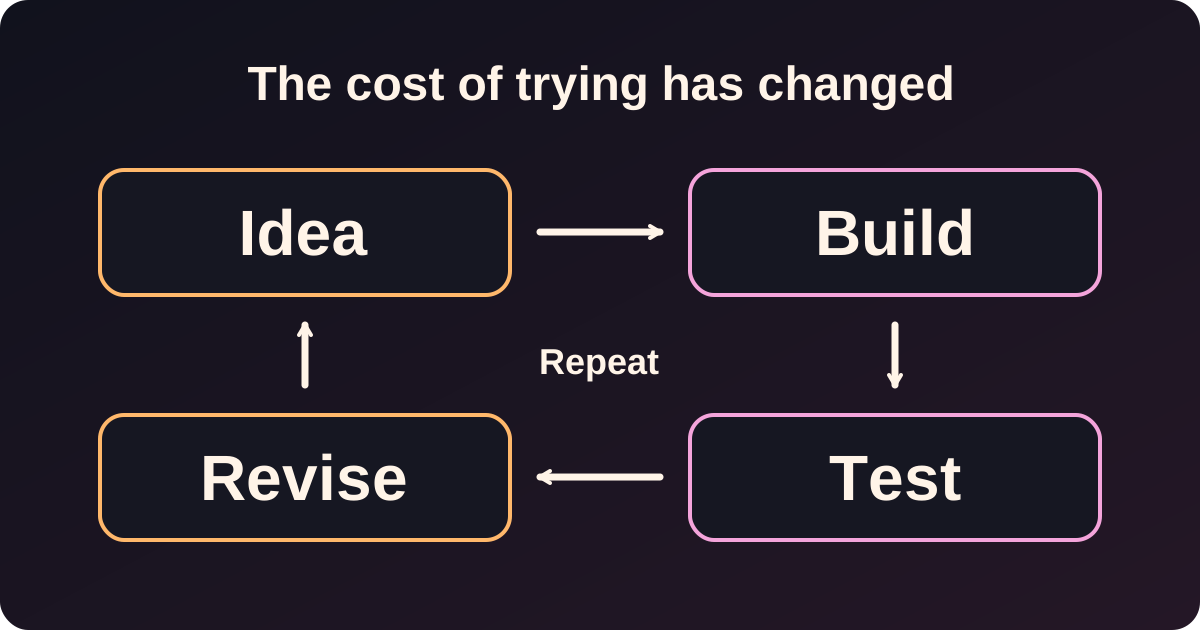
Cheaper experiments let us revisit ideas we once ruled out. An introduction to my four-part series on software abundance, accessibility, and the cost of building.
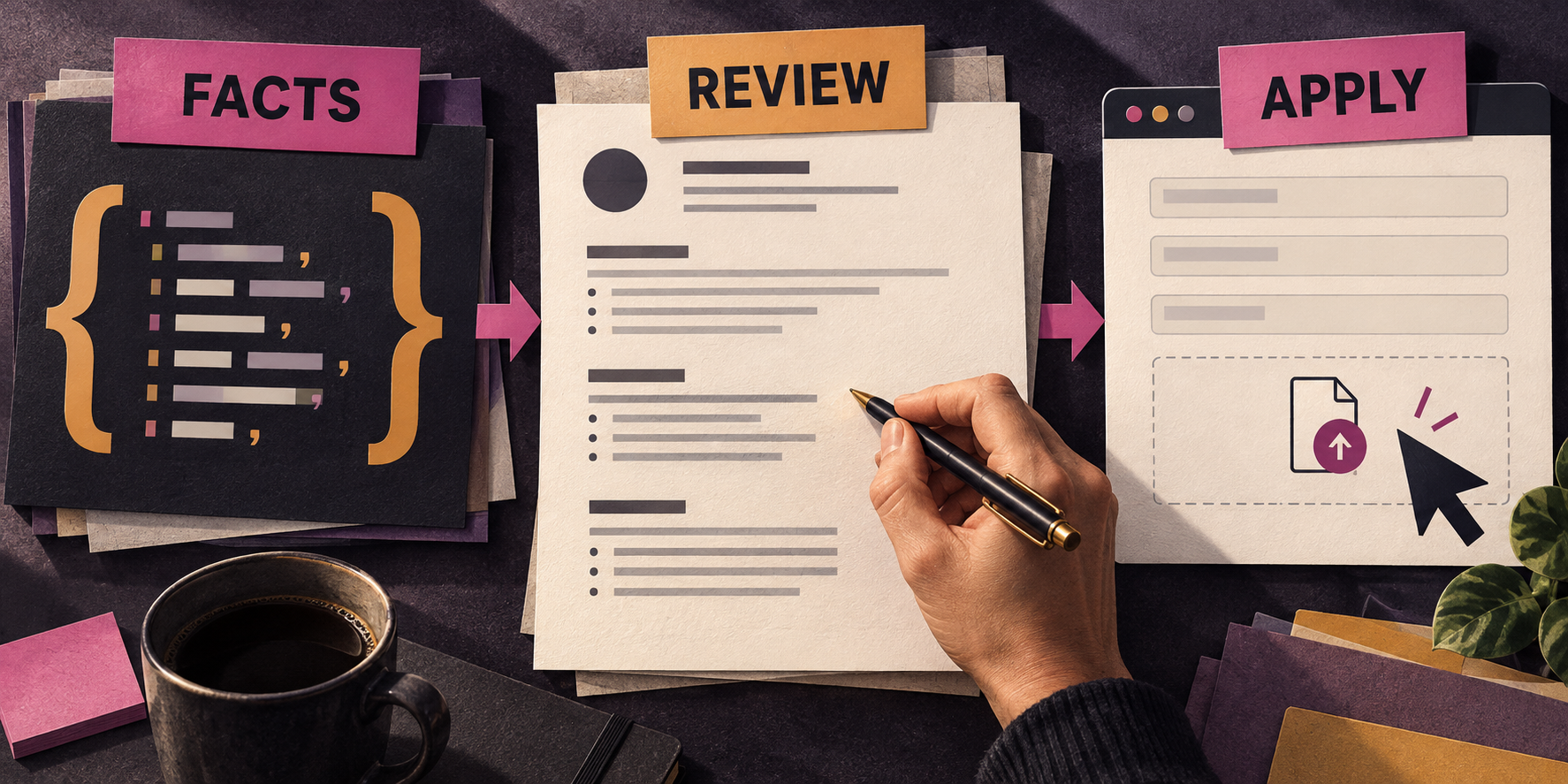
Building a job-search harness taught me that the hard part of automation isn't generating documents. It's knowing what you're willing to put your name on.

I spent five to twelve hours building a tabletop campaign with AI. The tools changed what I could make in those hours. The decisions were still mine.
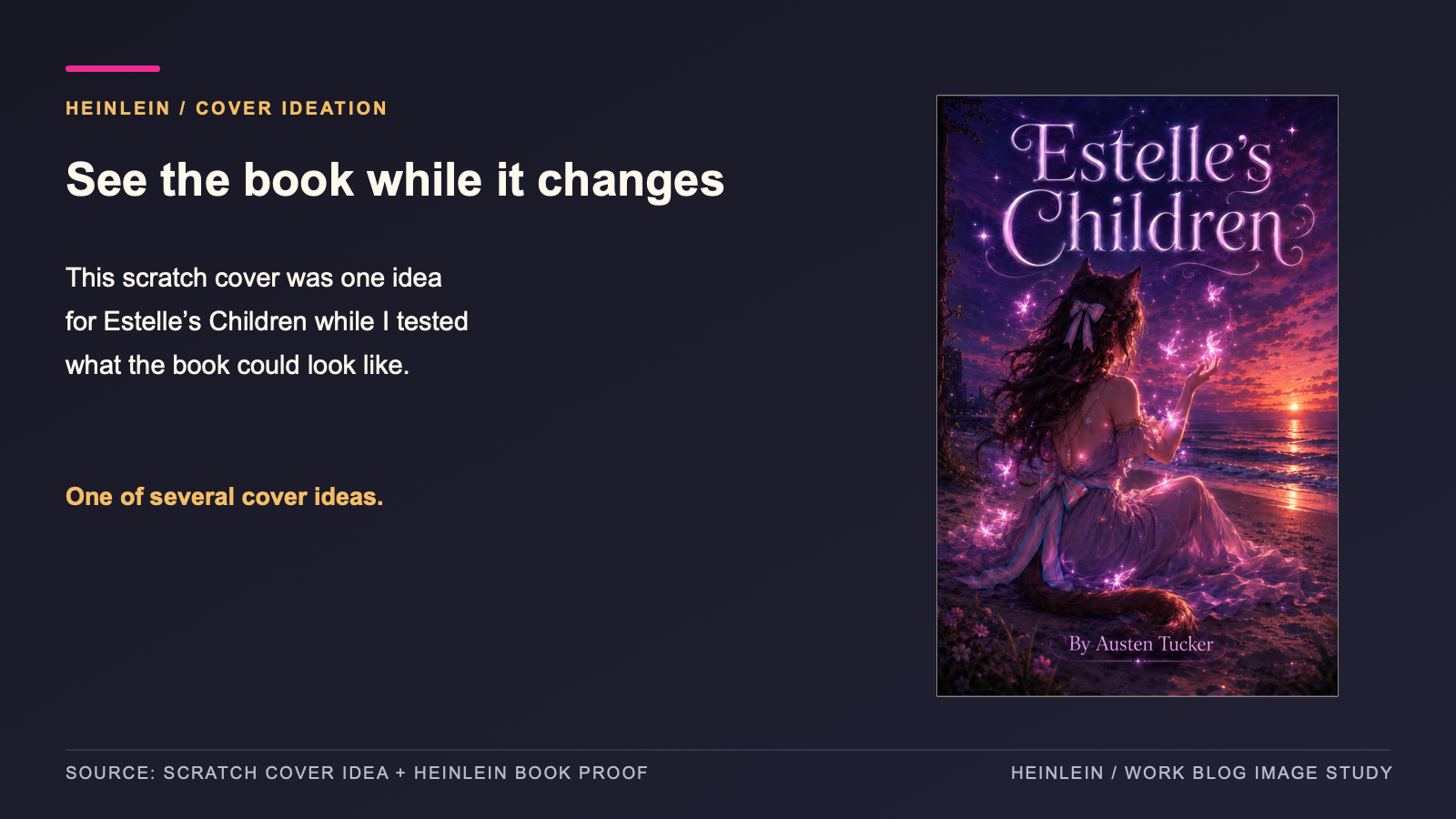
How I turned repeatable book-layout rules into a five-format publishing pipeline, with AI helping me build and review it.
An 8-bit arcade wizard that interviews you, learns what you like, and recommends a classic game.
Try the demo ↗
Laid off again. Before the résumé, the tea, and a free skill that walks you through the same triage.
AI as access and agency: what tools give back when the world was not built for you.
Building a publishing and email pipeline, with several goblin traps along the way.
Making an inspectable group-photo workflow that preserves the people in the picture.
After MVP: building handoffs, testing accommodations, and improving Bunch from evidence.
Context layers, useful constraints, and evals explained through the drinks people actually order.
Giving a publishing system explicit tools, schemas, and an agent-accessible workflow.
How tools, skills, and revision loops help me stay inside the story.
Code, model, and human judgment: what an AI system must preserve through transformation.
Manuscripts as codebases, narrow editing skills, and reviewable changes.
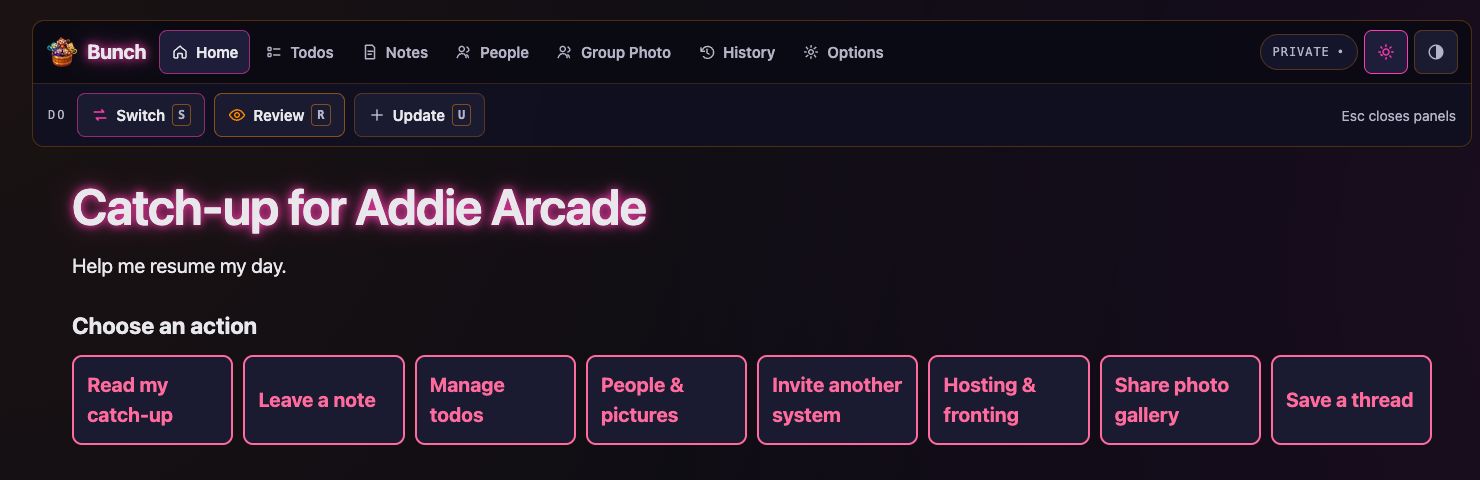
I have DID. Bunch is a private companion I built to hold the context my memory drops between alters — a build log about using AI to accommodate yourself, and what it looks like to start with the verbs instead of the screens.
The people getting real value from AI aren't the ones with the best prompts — they're the ones who moved through four predictable stages as fast as possible. A map for getting unstuck from prompt obsession.
If you give me agents, a CMS, a publishing pipeline, and one free evening, I will eventually try to write my own word processor. On Novel T, scene-aware drafting, and what an agent-native writing tool actually looks like.
Things that run
An 8-bit arcade wizard that interviews you, learns what you like, and recommends a classic game.
Try the demo ↗Writing about the work
Building a small robot for three creative kids, and a gift of curiosity, engineering, and love.
How connecting Bunch's OAuth-protected MCP server to ChatGPT failed nine different ways, what each failure showed about the client, and the security boundary that stayed fixed throughout.
Cheaper experiments let us revisit ideas we once ruled out. An introduction to my four-part series on software abundance, accessibility, and the cost of building.
Building a job-search harness taught me that the hard part of automation isn't generating documents. It's knowing what you're willing to put your name on.
I spent five to twelve hours building a tabletop campaign with AI. The tools changed what I could make in those hours. The decisions were still mine.
How I turned repeatable book-layout rules into a five-format publishing pipeline, with AI helping me build and review it.
Laid off again. Before the résumé, the tea, and a free skill that walks you through the same triage.
AI as access and agency: what tools give back when the world was not built for you.
Building a publishing and email pipeline, with several goblin traps along the way.
Making an inspectable group-photo workflow that preserves the people in the picture.
After MVP: building handoffs, testing accommodations, and improving Bunch from evidence.
Context layers, useful constraints, and evals explained through the drinks people actually order.
Giving a publishing system explicit tools, schemas, and an agent-accessible workflow.
How tools, skills, and revision loops help me stay inside the story.
Code, model, and human judgment: what an AI system must preserve through transformation.
Manuscripts as codebases, narrow editing skills, and reviewable changes.
I have DID. Bunch is a private companion I built to hold the context my memory drops between alters — a build log about using AI to accommodate yourself, and what it looks like to start with the verbs instead of the screens.
The people getting real value from AI aren't the ones with the best prompts — they're the ones who moved through four predictable stages as fast as possible. A map for getting unstuck from prompt obsession.
If you give me agents, a CMS, a publishing pipeline, and one free evening, I will eventually try to write my own word processor. On Novel T, scene-aware drafting, and what an agent-native writing tool actually looks like.